5 Ways to Choose the Right Fabrics in a Fabric Store for Your Next Project in Lancaster, PA
Selecting the perfect material for a creative endeavor can often feel overwhelming due to the sheer variety of textures, weights, and fiber contents available on the market. Many crafters struggle with mismatched fabrics that do not drape correctly or fail to withstand the intended use, leading to frustration and wasted resources. Understanding the specific properties of different textiles is essential for achieving professional results and ensuring the longevity of your finished piece. By learning how to evaluate fabric characteristics against project requirements, you can make confident decisions that elevate your craftsmanship. This guide provides five strategic approaches to help you navigate the selection process effectively, ensuring that every yard you purchase contributes to a successful and satisfying creation.
These are 5 ways to choose the right fabrics in a fabric store for your next project:
1. Understand Fiber Content and Project Suitability
The foundation of any successful project lies in understanding the fundamental differences between natural and synthetic fibers. Cotton is a versatile staple known for its breathability, durability, and ease of care, making it an ideal choice for both apparel and home decor items that require frequent washing. In contrast, quilting fabrics are typically made from high-quality cotton with a tighter weave, providing the stability needed for precise piecing and long-term structural integrity. Specialty materials, such as linen, wool, or silk, offer unique aesthetic qualities and tactile experiences but often demand more specialized handling and maintenance.
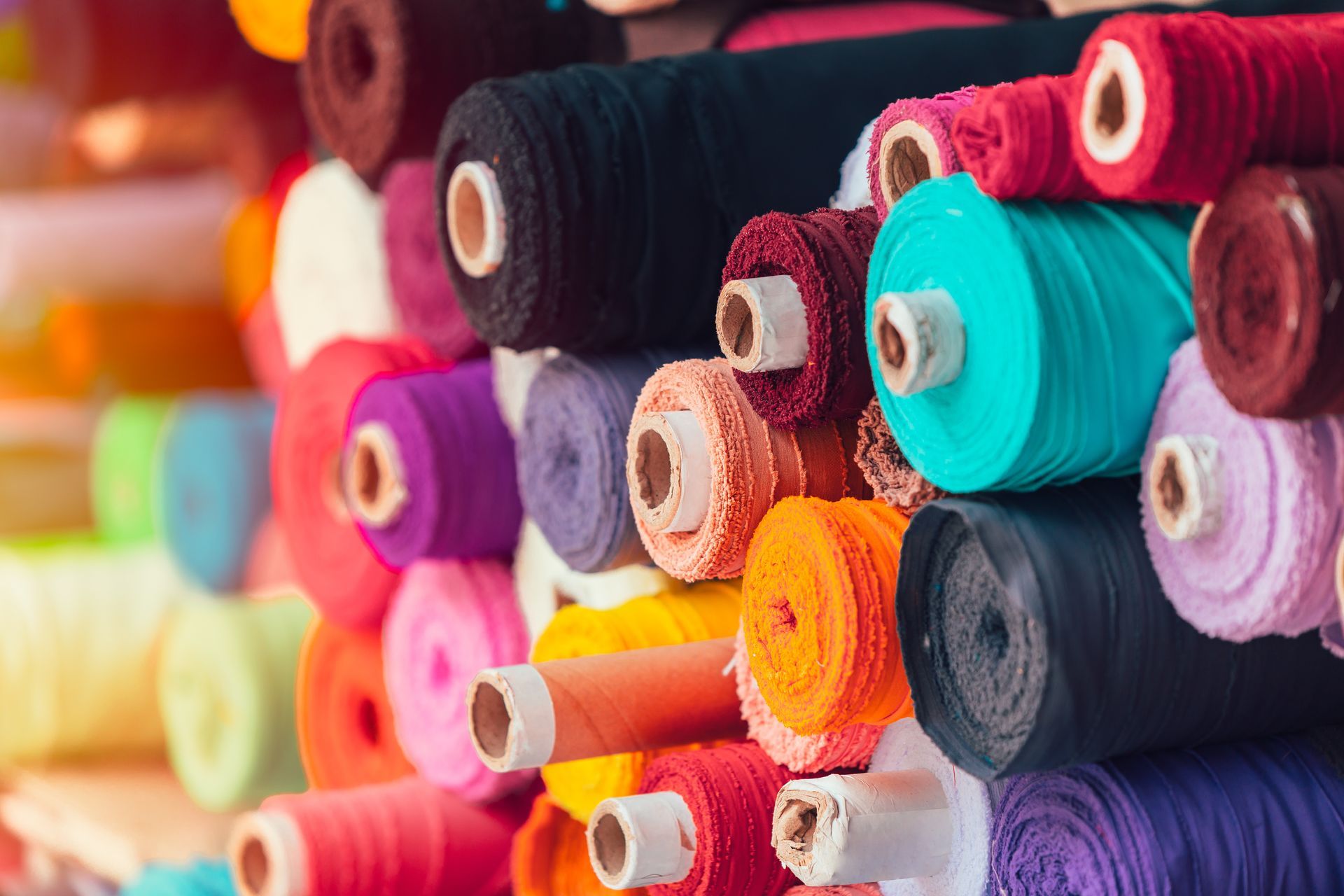
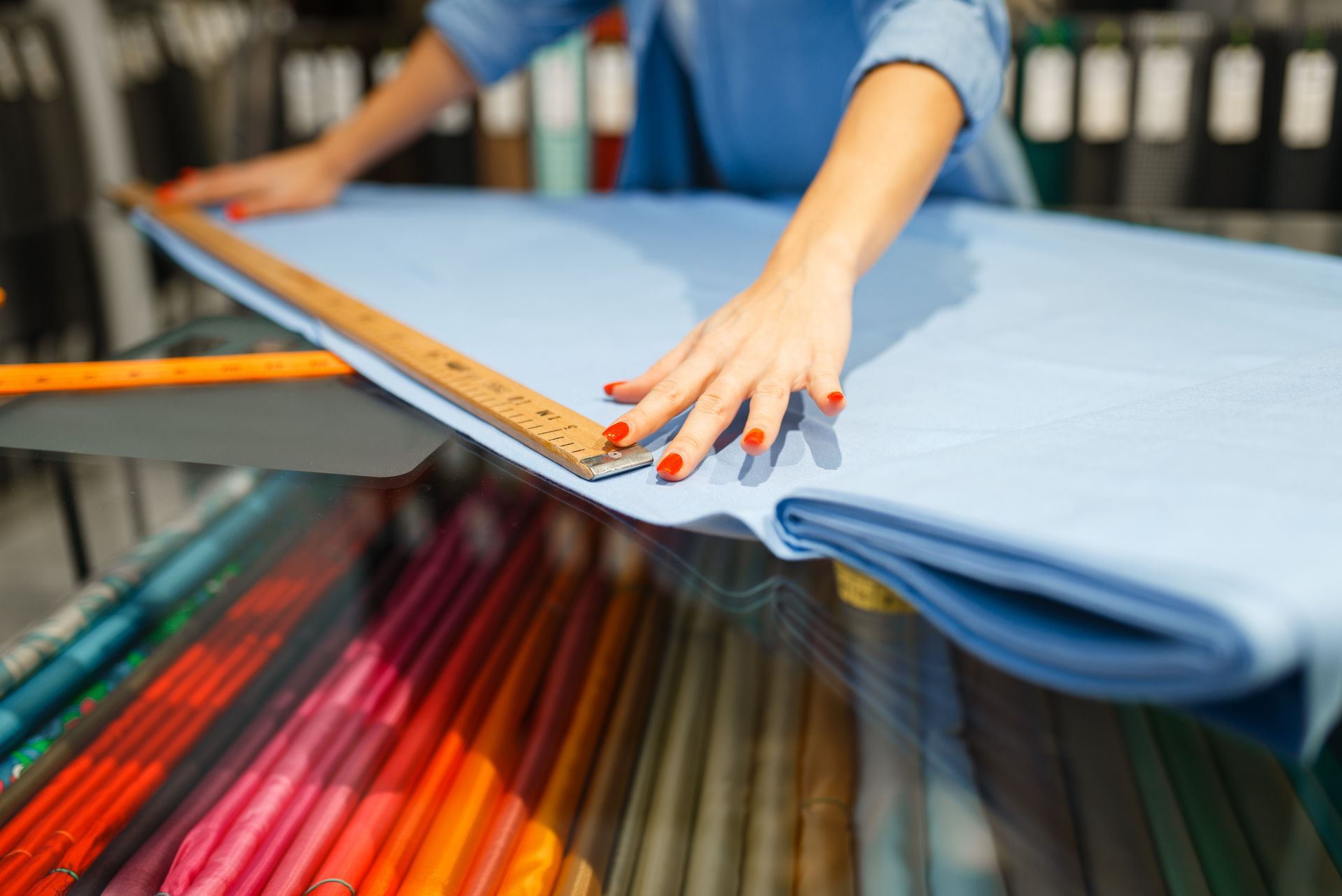
When visiting a fabric store, it is beneficial to examine the bolt labels closely to determine the fiber content and recommended care instructions. This initial assessment ensures that the material aligns with the functional needs of your project, whether it requires the softness of jersey knit for clothing or the crispness of broadcloth for structured bags.
2. Evaluate Weight and Drape for Apparel Success
For garment construction, the weight and drape of the fabric are critical factors that determine how the final item will hang and move on the body. Lightweight fabrics like chiffon or voile create fluid, ethereal looks suitable for summer dresses and scarves, whereas heavier materials like denim or twill provide structure and warmth for jackets and pants. To assess drape, hold a corner of the fabric and let it fall naturally over your hand. Observe how it folds and flows, as this behavior will translate directly to the garment's silhouette. A stiff fabric may not be suitable for a flowing maxi dress, just as a slippery satin might prove challenging for a tailored blazer.
Taking the time to feel the hand of the material helps prevent mismatches between pattern recommendations and actual fabric performance. This tactile evaluation is a key step in ensuring that your apparel projects look polished and fit comfortably.
3. Consider Durability and Maintenance for Home Decor
Home decor projects, such as upholstery, curtains, and pillows, require fabrics that can withstand environmental stressors and daily use. Upholstery fabrics are generally heavier and treated for stain resistance, making them suitable for furniture that sees frequent activity. Curtain materials need to block light effectively if lined, or offer a sheer aesthetic if unlined, while also resisting fading from sun exposure. Pillow covers benefit from durable weaves that can handle regular cleaning without losing their shape or color vibrancy.
When selecting materials in a fabric store for these applications, consider the traffic level of the room and the presence of pets or children. Choosing a high-durability fabric for a family room sofa ensures that your hard work remains beautiful for years to come. This practical approach to selection helps balance aesthetic desires with real-world functionality.
4. Match Patterns and Scales to Project Size
The scale of a print should correspond to the size of the project to ensure visual harmony. Large-scale patterns can overwhelm small items like pouches or baby clothes, while tiny prints may get lost in large upholstery pieces or expansive quilts. For quilting, a mix of large, medium, and small-scale prints creates depth and interest, allowing each block to stand out while contributing to the overall design. In apparel, consider how pattern placement affects seams and darts, as improper alignment can disrupt the visual flow of the garment.
Taking a step back in a fabric store to view the fabric from a distance helps gauge how the pattern will appear in the finished product. This perspective allows for more intentional choices that enhance the design rather than distract from it.
5. Seek Expert Guidance for Quality Selection
While online resources are helpful, nothing replaces the expertise found at a local fabric shop. Experienced staff can provide invaluable advice on fabric compatibility, needle selection, and preprocessing techniques like pre-washing. They can also highlight new arrivals or specialty items that may not be widely advertised. Building a relationship with a local retailer ensures access to curated collections and personalized support throughout your creative journey.
This collaborative approach enhances your skills and confidence, leading to better outcomes for every project you undertake.
Visit Bird-In-Hand Fabric for Expert Assistance!
To explore a wide selection of high-quality textiles and receive personalized guidance, visit Bird-In-Hand Fabric. Our knowledgeable team is ready to help you find the perfect materials for your next creation. Call us at
(717) 768-0916 to learn more about the offerings at our fabric store in Lancaster, PA.